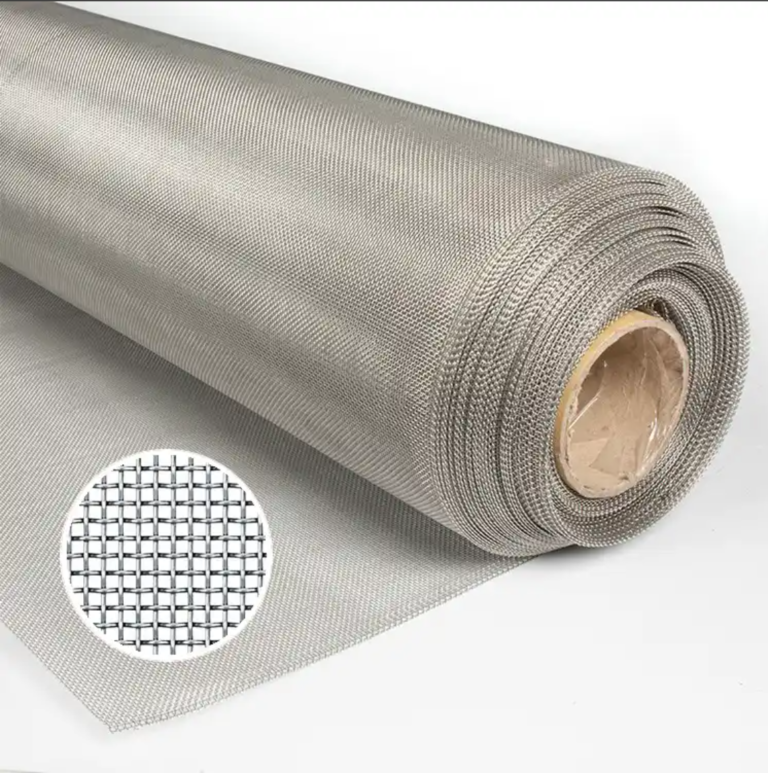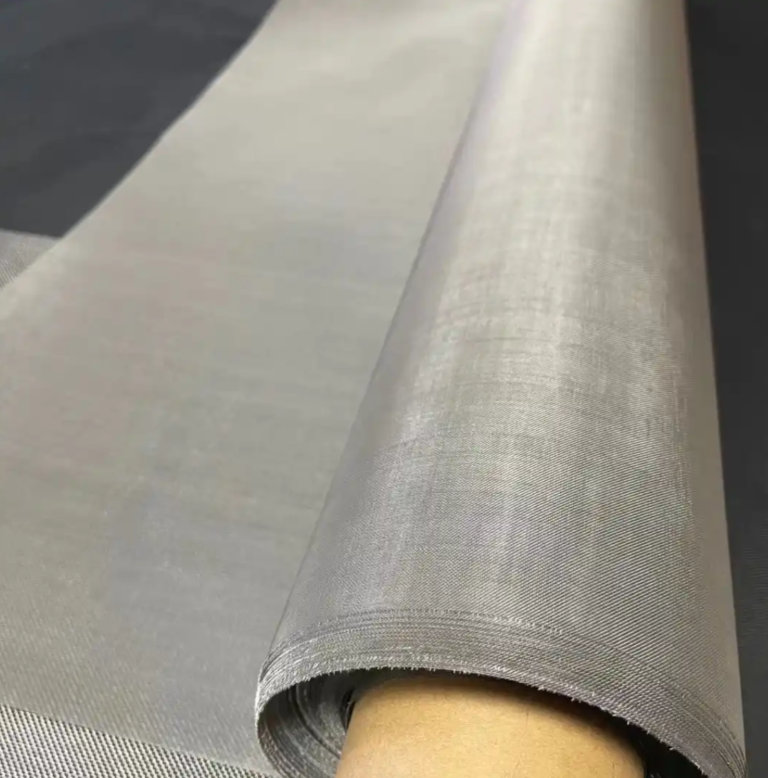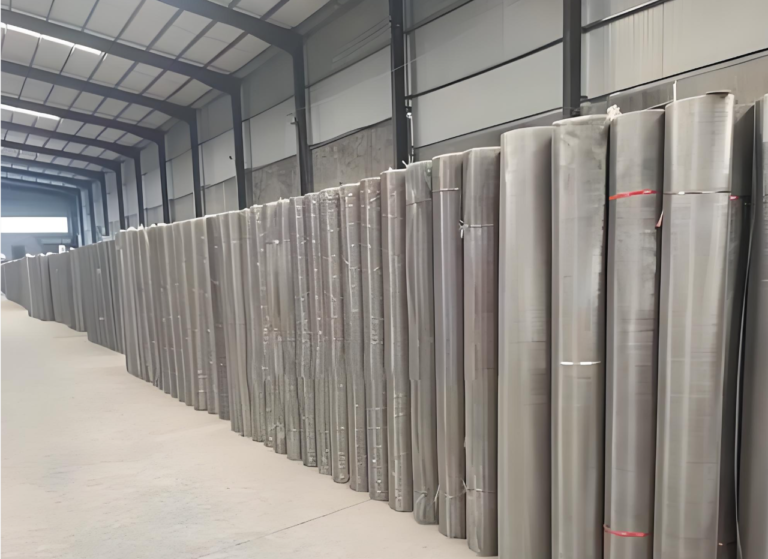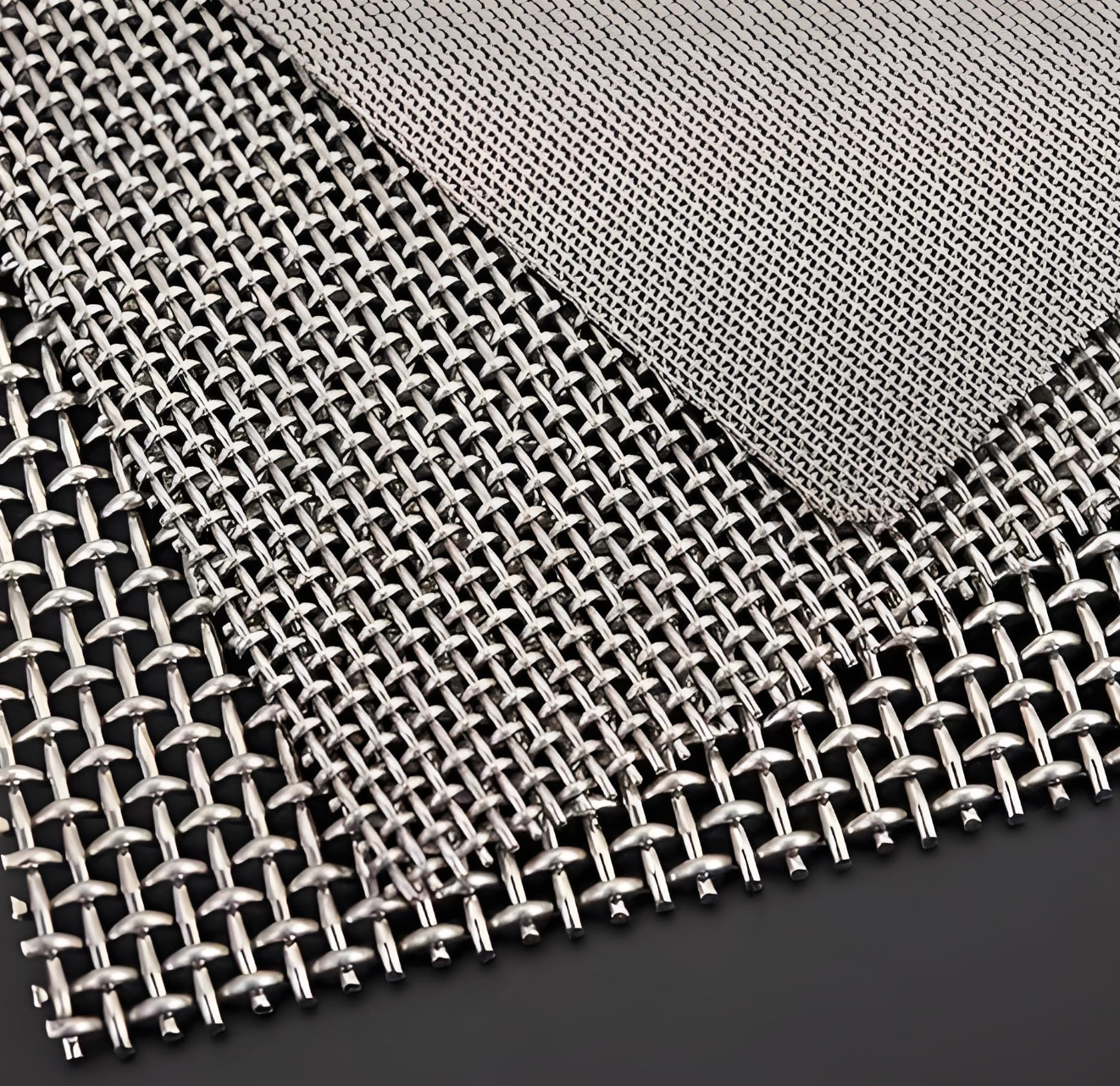
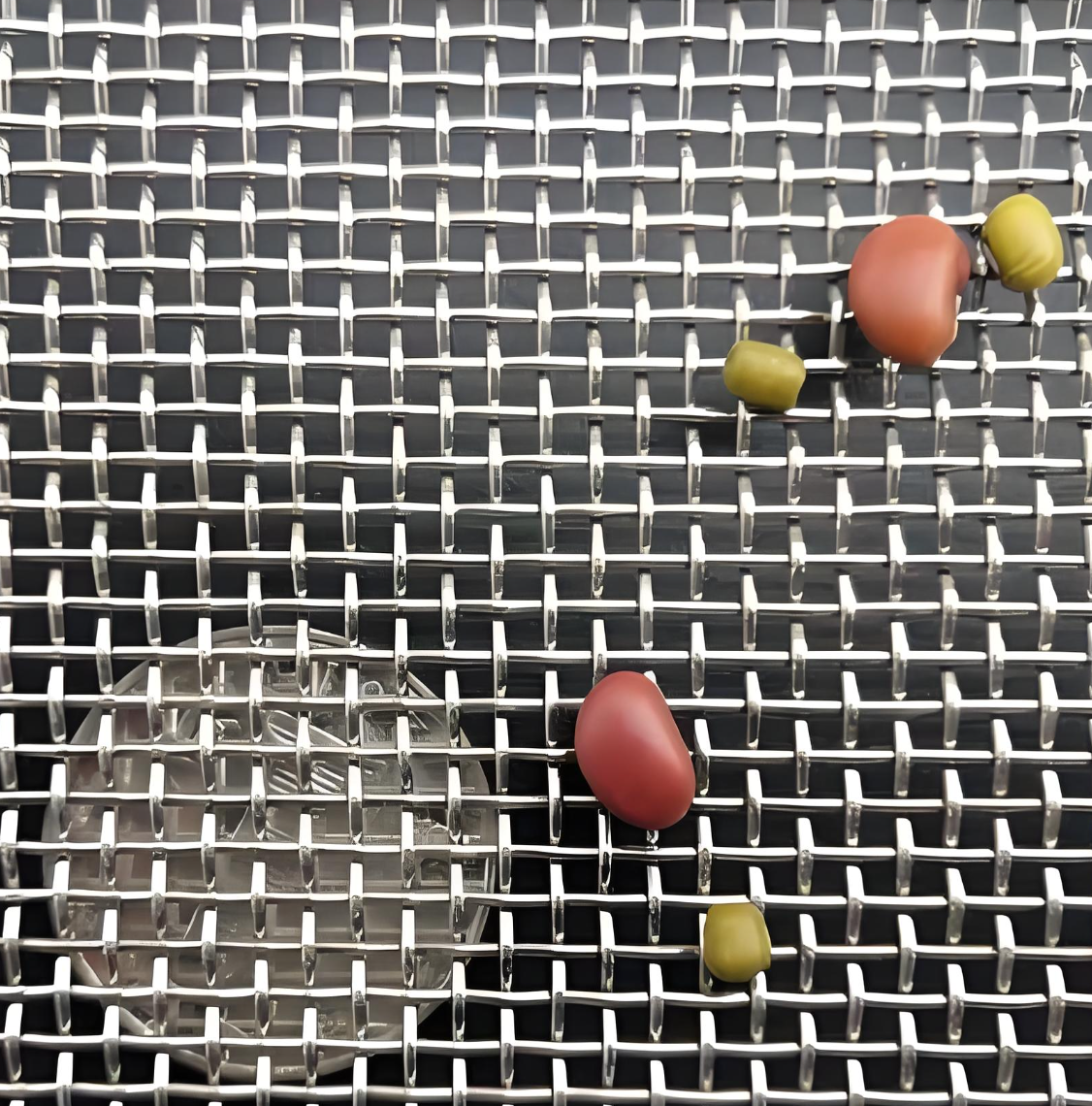
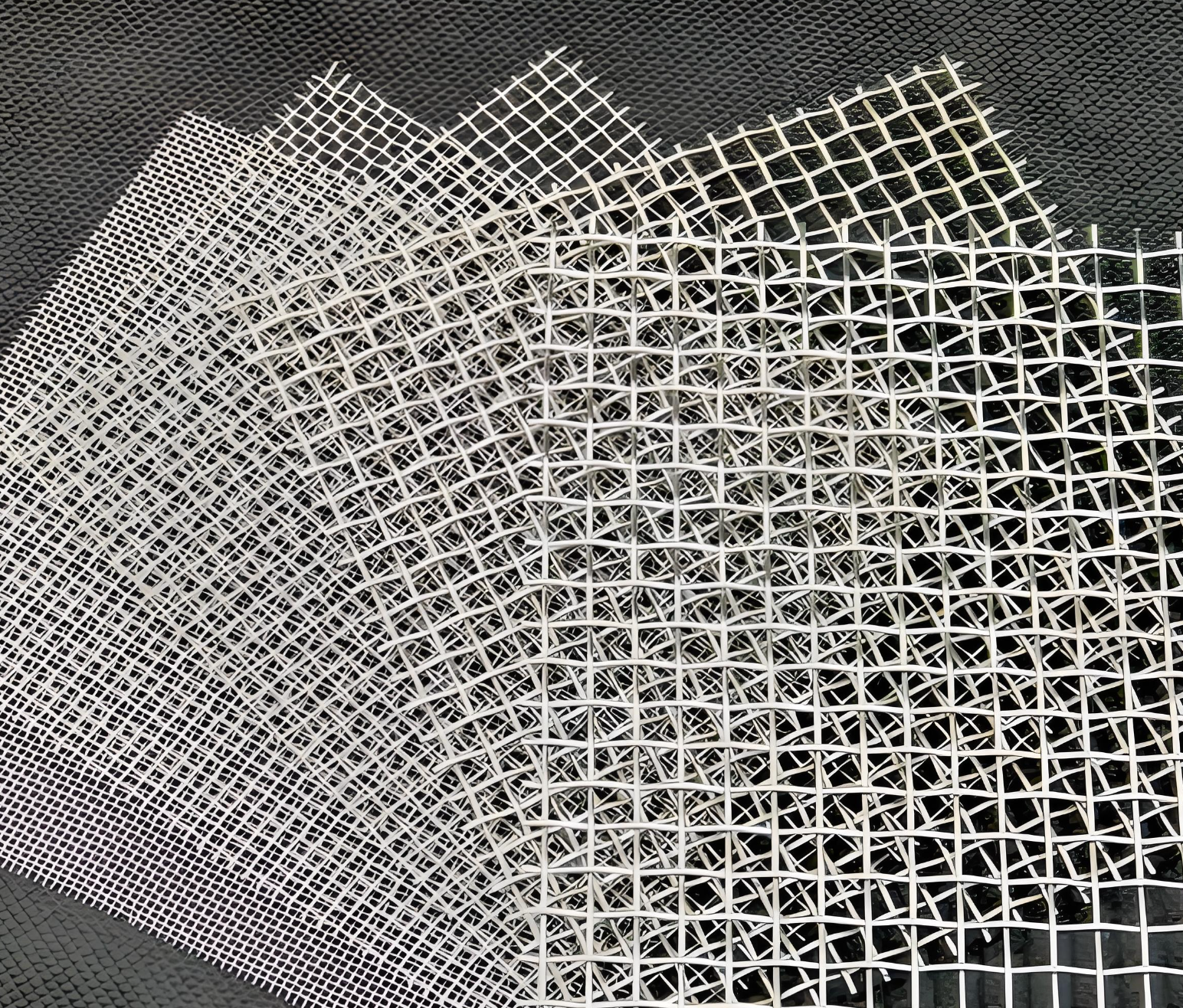
Stainless steel crimped wire mesh is a type of metal wire mesh product manufactured through a process of crimping before weaving, using wires made from materials such as 301, 302, 304, 304L, and 316 stainless steel. It is woven using methods including double-direction crimp, double-direction intermediate crimp, and single-direction crimp. The specifications of stainless steel crimped wire mesh cover a wire diameter range of 0.5-22 mm (approx. 40-600 mils), a mesh count of 1-24 per inch/25.4mm, and widths from 0.5 to 8 meters, with custom production supported.
The product features high-temperature resistance, acid and alkali resistance, corrosion resistance, wear resistance, and a stable, robust structure. Stainless steel crimped wire mesh is widely used in various applications, including baskets for the food industry, filter screens for chemical processing, plating and pickling screens for electroplating, mud screens for petroleum, and architectural decorative mesh.
In fields such as hydraulic oil filtration, resin traps, and medical devices, its electrolytic polishing process and wedge wire structure can meet precise filtration requirements. Its applications extend to industries such as mining, pharmaceuticals, metallurgy, machinery, protective fencing, and handicrafts. In the automotive sector, it is used for oil-water separators and front grille production.
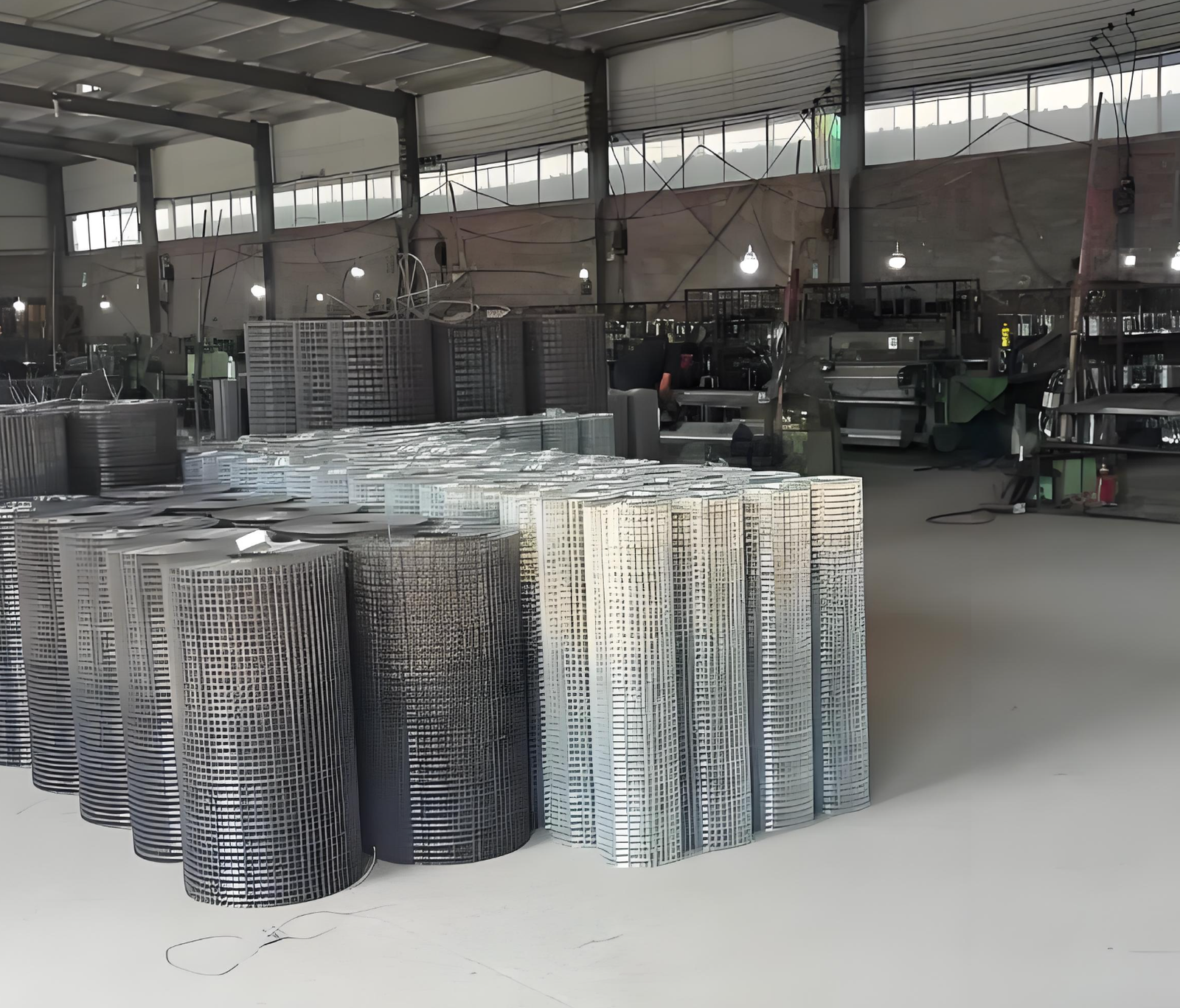
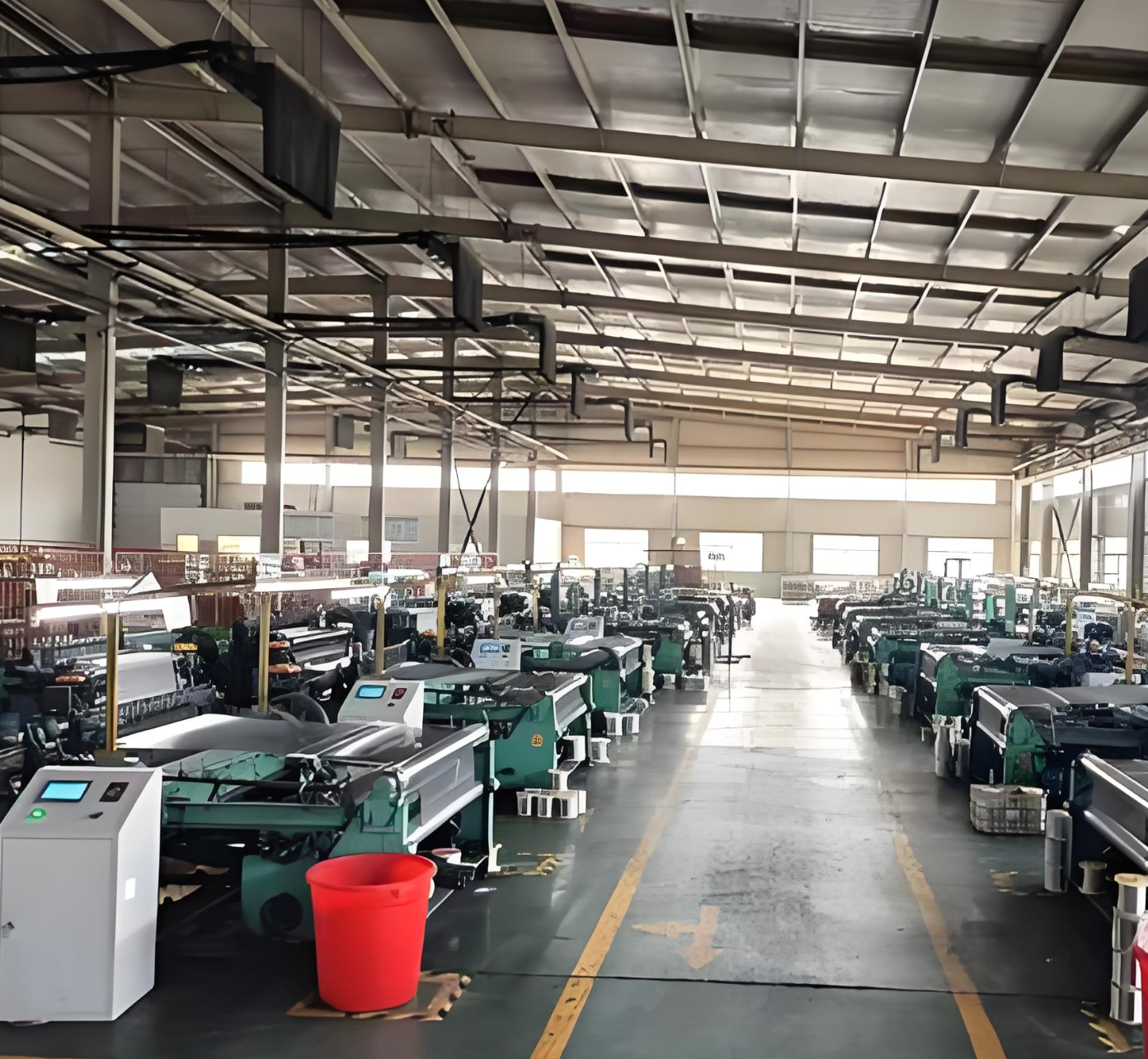
Manufacturers ensure consistent mesh openings through mold-based crimping processes and provide technical solution design support.